
Written by Camelback Custom Gates | Published on June 2025
The custom gate fabrication process in Phoenix AZ runs 3 to 6 weeks on average, covering design approval, material sourcing, fabrication, finishing, and installation. This article breaks down each stage so you know exactly what happens, what decisions you will need to make, and how to avoid common delays.
We cover everything from choosing iron versus aluminum to understanding HOA requirements and gate automation options across Scottsdale, Paradise Valley, and the broader Phoenix metro area.
Understand What the Custom Gate Fabrication Process Covers
Custom gate fabrication is not just welding metal together. It is a multi-step process that starts with your property layout and ends with a tested, automated gate that meets local codes.
Each project has unique requirements. A driveway gate in Paradise Valley may need a longer span than one in a Tempe subdivision. A pedestrian gate in Scottsdale may require specific HOA-approved finishes.
Here is what the full custom gate fabrication process in Phoenix AZ typically includes:
- On-site measurement and property assessment
- Design consultation and rendering approval
- Material selection (wrought iron, steel, aluminum, or wood composite)
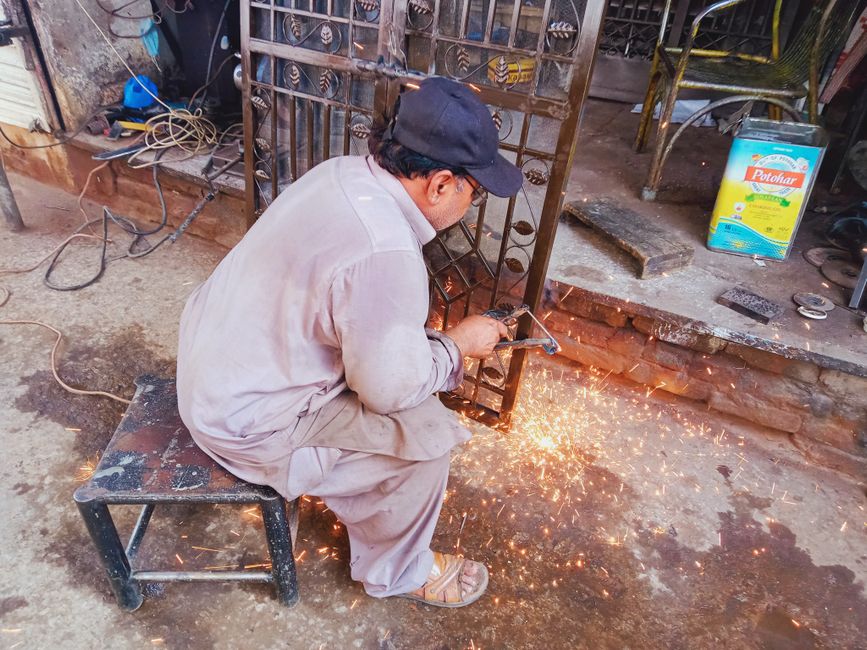
- Shop fabrication and welding
- Powder coating or paint finishing
- Hardware and hinge selection
- On-site installation and post setting
- Gate automation setup and testing
- Final inspection and client walkthrough
Skipping or rushing any of these steps leads to alignment issues, premature rust, or automation failures. A structured process protects your investment.
Compare Common Gate Materials Used in Phoenix
Material choice is one of the biggest decisions in the custom gate fabrication process. In Phoenix AZ, the desert climate plays a major role. Intense UV exposure, heat above 110 degrees, and occasional monsoon moisture all affect how materials perform long-term.
| Material | Durability | Maintenance Level | Typical Cost Range | Best For |
|---|---|---|---|---|
| Wrought Iron | Very High | Moderate (needs repainting) | $2,500 to $8,000+ | Estate gates, high-security |
| Steel (Mild or Tubular) | High | Moderate | $1,800 to $6,000 | Driveway gates, commercial |
| Aluminum | Good | Low (rust-resistant) | $1,500 to $5,000 | HOA communities, pool gates |
| Wood Composite | Moderate | Higher in desert heat | $1,200 to $4,500 | Privacy gates, side yards |
Aluminum is popular in Scottsdale HOA communities because it resists corrosion and holds powder coat finishes well in intense sun. Wrought iron dominates in Paradise Valley estates where curb appeal and longevity are the top priority.
At Camelback Custom Gates, we help you match the material to your specific property, budget, and neighborhood requirements before a single measurement is taken.
Walk Through the Design and Approval Stage
The design phase is where your vision becomes a buildable plan. This stage usually takes 3 to 7 business days and includes a site visit, measurements, and a design rendering for your approval.
During the site visit, a technician measures the opening width, checks the ground slope, evaluates post placement options, and notes any underground utilities or irrigation lines that affect installation.
Design renderings are typically 2D drawings or basic 3D visuals showing dimensions, panel layout, decorative elements, and finish colors. You review and approve before fabrication begins.
If you live in a community with an HOA, this is the stage to get HOA approval. Many Phoenix metro HOAs require submittal of gate drawings, material specs, and color swatches before granting permission. Camelback Custom Gates has worked with dozens of HOAs across Scottsdale and the East Valley and can help prepare the necessary documentation.
City permits may also be required for automated gates in Maricopa County. Permit requirements depend on gate size, post depth, electrical work, and whether the gate accesses a public roadway.
See How Fabrication and Finishing Work in the Shop
Once your design is approved and materials are sourced, fabrication begins in the shop. This is the core of the custom gate fabrication process Phoenix AZ homeowners do not always see but matters most to quality.
Skilled welders cut, bend, and join metal according to your approved drawings. Tolerances are tight because a gate that is off by even a quarter inch can bind on posts or fail to latch properly.
After welding, the gate is ground smooth, inspected for warping, and prepped for finishing. Powder coating is the preferred finish in Phoenix because it bonds at high temperatures and resists UV degradation far better than standard spray paint.
Powder coat colors are selected during the design phase. Popular choices in the Phoenix metro include flat black, oil-rubbed bronze, dark bronze, and custom earth tones that match Sonoran Desert landscaping.
Shop fabrication typically takes 5 to 15 business days depending on the complexity of the design, size of the gate, and current production schedule. Ornate scroll work or custom monograms add time.
Review Gate Automation Options and What They Cost
Most custom driveway gates in Phoenix are installed with some form of automation. The automation system is specified during the design phase but installed on-site after the gate panels are set.
| Automation Type | How It Works | Typical Installed Cost | Best Application |
|---|---|---|---|
| Swing Gate Operator | Arm pushes gate open on a pivot | $1,200 to $3,500 | Single or dual swing gates |
| Slide Gate Operator | Motor pulls gate along a track | $1,500 to $4,000 | Long driveways, heavy gates |
| Solar-Powered Operator | Battery charged by solar panel | $1,800 to $4,500 | Remote locations, off-grid |
| Telephone Entry System | Visitor calls via keypad or app | $800 to $2,500 | Multi-tenant, rental properties |
Solar-powered operators are especially popular in the Phoenix metro because of the abundant sun. A solar operator can run a residential gate reliably year-round without a trench or electrical conduit run to the gate post.
Popular operator brands used in Phoenix include LiftMaster, Viking Access, and FAAC. Each brand has residential and commercial-grade models. The right choice depends on gate weight, usage frequency, and your access control preferences.
Access control add-ons include keypads, remote controls, intercom systems, and smartphone app integration. Camelback Custom Gates installs and programs all major brands across the Scottsdale and Phoenix metro area.
Understand the Installation Day Process
Installation day is when your custom gate goes from the shop to your property. A professional installation crew handles post setting, gate hanging, hardware attachment, and operator mounting.
Here is what typically happens on installation day:
- Crew arrives and reviews the site layout with the homeowner
- Posts are set or existing posts are assessed for plumb and depth
- Gate panels are positioned and hinges or track hardware is attached
- Gate is checked for level, swing clearance, and latch alignment
- Automation operator is mounted and wired or connected to solar
- Safety sensors and auto-reverse are installed and tested
- Access control devices (keypad, remote, intercom) are programmed
- Full function test is run with the homeowner present
- Homeowner is walked through operation and maintenance basics
Installation typically takes 4 to 8 hours for a standard residential driveway gate. Larger estate gates or commercial projects may take a full day or require a second visit for electrical finishing.
In Phoenix, summer installation appointments should be scheduled in the early morning. Concrete for post footings sets differently in extreme heat, and crew safety is a priority during the summer months.
Know the Local Factors That Affect Your Phoenix Gate Project
Phoenix metro properties have specific conditions that affect every stage of the custom gate fabrication process. Understanding these factors helps set realistic expectations and avoid surprises.
Caliche soil is common throughout Maricopa County. This hardened calcium carbonate layer can be inches or feet below the surface and makes post digging significantly harder. Mechanical augers are often needed, which adds time and sometimes cost to installation.
HOA requirements vary widely across the valley. Scottsdale Ranch, DC Ranch, and McCormick Ranch all have specific rules on gate height, material type, and finish color. Always verify with your HOA before ordering fabrication.
Monsoon season runs from mid-June through September. Gates installed ahead of monsoon need properly set footings that have cured fully to handle wind gusts that regularly exceed 50 mph in the Phoenix metro.
Arizona utility notification (Call 811) is required before any digging for post footings or electrical conduit. This is a legal requirement and protects against hitting buried irrigation, gas, or power lines common in established Phoenix neighborhoods.
FAQs on the Custom Gate Fabrication Process in Phoenix AZ
How long does the custom gate fabrication process take in Phoenix AZ?
Most residential custom gate projects in Phoenix take 3 to 6 weeks from the initial consultation to final installation. Timeline varies based on design complexity, HOA approval wait times, permit requirements, and current shop workload. Simpler projects with standard designs can sometimes be completed in 2 to 3 weeks.
Do I need a permit for a custom gate in Scottsdale or Phoenix?
Permit requirements depend on the city, gate size, and whether electrical work is involved. Automated gates with electrical components often require a permit in Scottsdale, Phoenix, and other Maricopa County cities. Your fabrication and installation company should help you identify what permits apply to your specific project.
What is the best material for a custom gate in Phoenix’s desert climate?
Aluminum and powder-coated steel are both strong performers in the Phoenix desert climate. Aluminum resists rust and handles UV exposure well, making it a top choice for HOA communities. Wrought iron with a quality powder coat finish is preferred for estate-style properties where appearance and longevity are the top priorities.
How much does a custom gate cost in the Phoenix metro area?
A complete custom gate project in Phoenix including fabrication, automation, and installation typically ranges from $3,500 to $15,000 or more depending on size, materials, and features. A basic single aluminum swing gate with a standard operator sits at the lower end. A large dual wrought iron estate gate with entry system and solar operator sits at the higher end.
Can I add automation to an existing custom gate?
Yes, in most cases an existing gate can be retrofitted with an operator if the structure and posts are in good condition and properly aligned. A technician will assess hinge condition, gate weight, and post strength before recommending an operator. Camelback Custom Gates handles automation retrofits regularly across the Phoenix metro.
What happens if my HOA rejects my gate design?
HOA rejections are usually about color, height, or material type rather than the gate concept itself. A good fabrication company will help you revise the design to meet HOA specs and resubmit. Camelback Custom Gates recommends getting HOA pre-approval on materials and colors before finalizing your design to avoid delays.
Wrap Up and Next Steps
The custom gate fabrication process in Phoenix AZ involves more steps than most homeowners expect, but each step exists to ensure your gate performs well for decades in a demanding desert climate. From site measurement to design approval, shop fabrication, finishing, automation, and installation, a structured process leads to better results every time.
Camelback Custom Gates serves the entire Phoenix metro including Scottsdale, Paradise Valley, Tempe, Chandler, and beyond. Our team handles every stage of the fabrication and installation process and works with HOAs and city permitting offices regularly.
Ready to start your custom gate project? Call Camelback Custom Gates at (480) 900-1371 to schedule your free on-site consultation and design estimate today.